Best Booth Fabrication Ideas for SEMA Show Exhibitors USA
Smart trade show booth fabrication choices can elevate your exhibition appearance from ordinary to extraordinary when getting ready for the SEMA Show in Las Vegas. Professional trade show booth fabrication includes the engineering, manufacturing, and construction of exhibition spaces that get people's attention while also meeting important needs like lowering weight to save money on shipping, using modular parts that can be rearranged at different shows, and making sure strict fire safety rules are followed. Successful SEMA vendors know that the choices they make about how to build their displays have a direct effect on how engaged visitors are, how people think of their brand, and ultimately, their return on investment at this top automotive industry event.
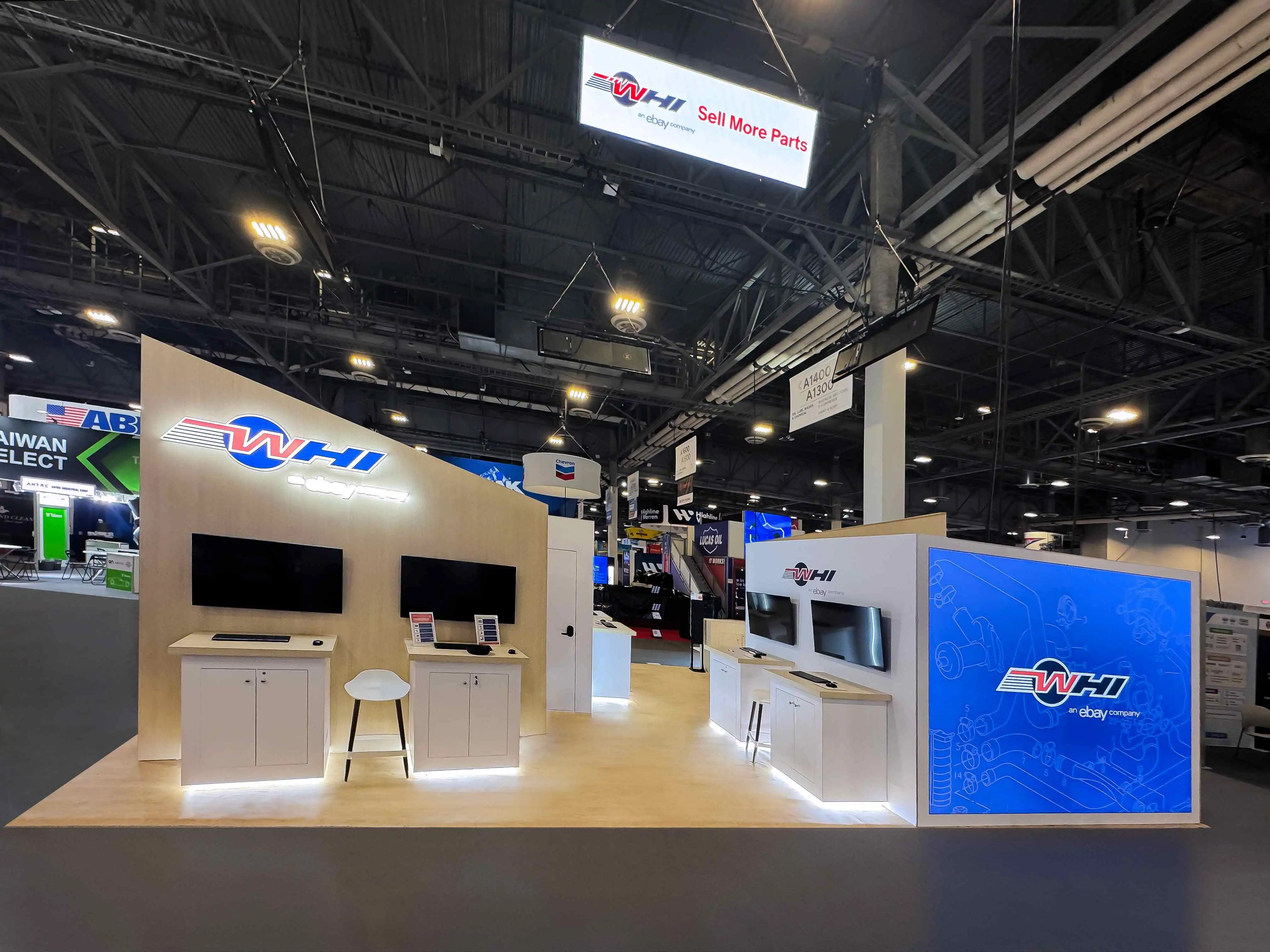
Understanding Trade Show Booth Fabrication: Core Concepts for SEMA Exhibitors
To have a good SEMA Show, you need to know what professional trade show booth fabrication really means and how it is different from simple display assembly or basic carpentry.
Defining Professional Booth Fabrication
Building a professional booth involves a lot of different skills, such as structural engineering, CNC precision machining, large-format graphic production, and wiring everything together. This unique process turns your marketing idea into a real place that makes the most of limited floor space, whether you have a 10x10 footprint or an island configuration that's a lot bigger. The trade show booth fabrication process optimises space, making sure that every square foot has marketing value while still being portable thanks to lightweight modular bases that cut down on the cost of moving materials by a large amount.
The Complete Fabrication Journey
Usually, trade show booth fabrication takes six to eight weeks, which is enough time for design engineering, CNC machining, logo printing, and the important pre-build trial assembly phase. Exhibitors who are in a hurry to meet schedules often forget to do this trial assembly, but it finds problems before you get to the Las Vegas Convention Center. The process starts with an idea design that fits with your brand's style, then moves on to choosing materials and engineering specs, then to production and graphic design, and finally to detailed installation instructions that make sure the assembly goes smoothly on-site.
Material Selection and Longevity Benefits
To make a modern booth, they use designed aluminium extrusion shapes for the frames, Silicone Edge Graphics (SEG) with dye-sublimated tension fabrics, MDF or plywood with High-Pressure Laminate finishes for the walls, and lightweight honeycomb composites for the frames. These choices of materials provide structural integrity, which lets designs hang over the edge or without a base. When compared to traditional solid wood construction, smart material choice cuts shipping weight by up to 60%. This directly lowers your drayage costs while keeping the look of the building. Materials must be classified as B1/M1 fire retardants or meet NFPA 701 standards. This is to make sure that they meet the strict setting requirements at the SEMA Show and other big shows.
Long-Term Investment Value
Quality trade show booth fabrication saves money because parts can be used again and again at different trade shows. Modular systems with snap-lock or cam-lock features cut the time needed to build something on-site by about 40%. This saves money on labour costs and gives you more options for how the system is set up. Investing in skilled trade show booth fabrication doesn't just pay off for one show—well-kept parts will serve your exhibition program for years, representing your brand consistently whether you're at the SEMA Show, AAPEX, or other regional car shows all year long.
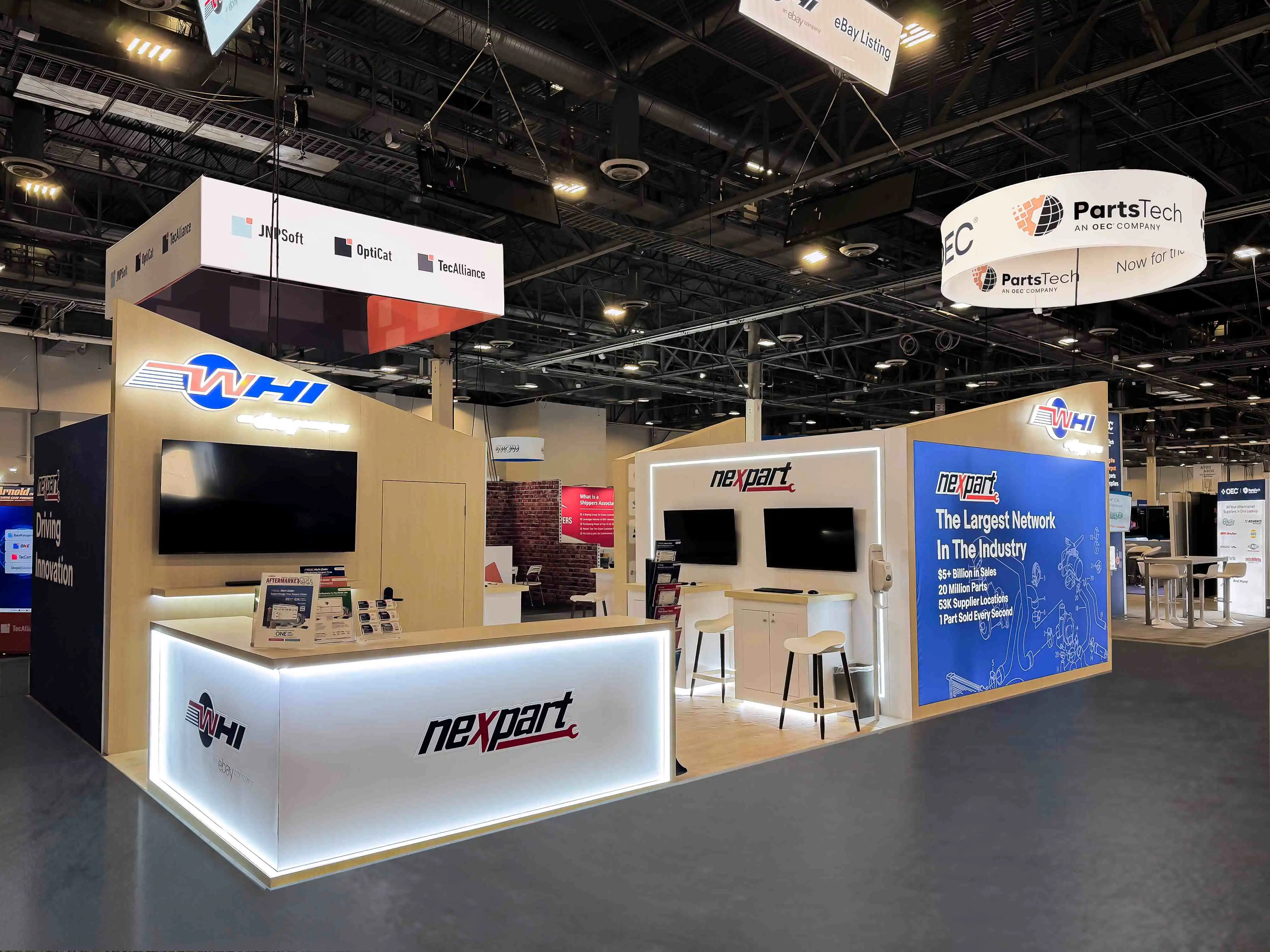
Types of Trade Show Booth Fabrication: Custom Solutions for SEMA Exhibitors
When it comes to trade show booth fabrication, SEMA exhibitors have a few different options. Each one has its own benefits that depend on their budget, branding goals, and long-term exhibition plans.
Custom Booth Fabrication
Custom trade show booth fabrication uses wood, laminates, and other specialised materials to make structures that are completely one-of-a-kind. This lets designs be made that aren't possible with standard methods. This method works well for business marketing managers with big budgets who want to make their brand stand out as much as possible on the crowded SEMA Show floor. Custom booths have architectural details, complicated geometry, and branding features that make visitors' experiences distinctive. The trade-offs are a bigger initial investment, more weight that affects the cost of drayage, and fewer ways to change the layout of the show.
Modular Booth Systems
Aluminium frames and fabric graphics are used in modular trade show booth fabrication, which gives you great flexibility in how you set it up and lowers the cost of shipping. Modular systems that can grow or shrink based on available floor space and budget changes are helpful for startup founders and exhibitors who want to save money. These systems have parts that can be switched out, so you can update the pictures while keeping the investments you made in the structure. Shipping costs are cut down by a lot with modular solutions, and installation is made easier. This makes them perfect for exhibitors who go to a lot of shows each year, like the SEMA Show, AAPEX, and RE+ in Las Vegas in November 2026.
Pre-Fabricated Versus On-Site Construction
Pre-fabrication is the process of putting together a whole booth in a controlled workshop. This lets the quality be checked carefully before it is shipped to the event. This method cuts down on problems that can happen on-site and the time it takes to install things at the Las Vegas Convention Center. On-site trade show booth fabrication is useful for making last-minute changes or for cases where a specific place needs to be changed, but it costs more to do and can't be guaranteed when it will be done. Most successful SEMA exhibitors choose pre-fabrication along with efficient on-site assembly led by experienced installation teams that know how to follow union rules and venue-specific requirements.
Sustainable Fabrication Methods
More and more, eco-friendly materials and green ways of making things affect how booths are designed. Some environmentally friendly methods are using aluminium structures that can be recycled, finishes with low volatile organic compounds (VOCs), LED lighting systems that use less energy, and printing graphics on recycled fabrics. Medical device companies and corporate exhibitors who care a lot about the environment find that building their booths in a way that is good for the environment also helps their brand's reputation and meets their social responsibility obligations. These green solutions work just as well as the traditional ones, and they show SEMA Show attendees that you care about the environment.
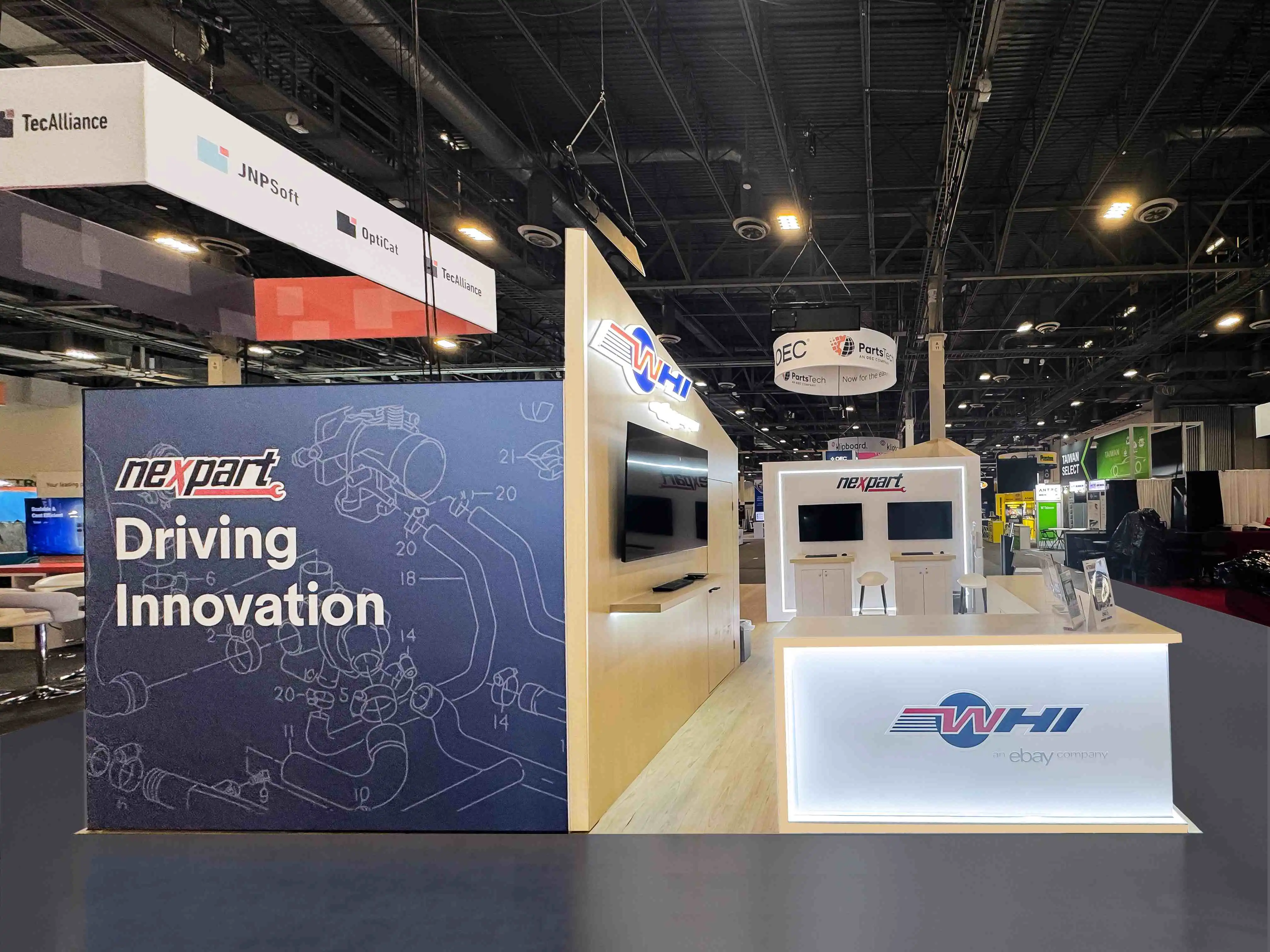
Essential Tips for Designing an Impactful Booth at the SEMA Show
At the SEMA Show, strategic design choices make the difference between forgettable shows and show-stopping settings that bring in qualified traffic and generate a lot of leads.
Visual Hierarchy and Brand Communication
A good booth design sets up a clear visual order by placing big images in the right places, making sure signs are high enough to be seen from the aisles, and using focused lighting to draw attention to important products or messages. Your brand identity should communicate right away—people going around the SEMA Show floor decide within three seconds if they want to connect with you. Bold colours that match your company's colour scheme, consistent fonts, and a logo that stands out make it easy to recognise your brand right away. Think about sight lines from different approaches and make sure your message is easy to read whether people are coming from the aisles next to you or from far away across the show hall.
Lighting Strategy for Maximum Impact
Lighting changes the surroundings of a booth from flat to three-dimensional, adding interest and attention that makes people want to come in. LED lighting systems use little energy, don't make a lot of heat, and can be used to draw attention to certain goods or create a relaxing atmosphere. Backlit graphics make brand messages bright enough to see from anywhere on the show floor, and directional spotlights draw attention to product samples or special items. Track lighting with fixtures that can be adjusted lets you change the focus of the show based on which products are getting the most attention from visitors.
Interactive Technology Integration
Interactive technologies are used by modern exhibits to make experiences that are more interesting than static displays. Touchscreen kiosks let people look at products on their own, augmented reality apps show how products can be used, and digital configurators let people make products exactly how they want them. Video walls show changing content that gets people's attention better than static graphics. People who go to the SEMA Show and like new ideas and cutting-edge solutions in the car aftermarket business will really like these technology aspects.
Traffic Flow Optimization
Booth plan has a big effect on how interested visitors are and how well staff can do their jobs. Open layouts with many entry points encourage people to look around, while clearly marked paths lead people past important products or demonstration areas. Private meeting rooms away from busy areas offer quiet places to have serious conversations with qualified prospects. Product demonstration areas need enough room so that people can see clearly and there isn't too much crowds. Reception desks or information desks placed in strategic places greet visitors and give staff control over the whole booth area.
Budget-Conscious Design Strategies
Smart vendors use smart prioritisation to find a balance between quality and limited budgets. Spend a lot of money on high-impact elements that can be seen from far away, like big graphics, raised signs, and architectural features. For secondary elements, use less expensive options. Modular furniture and counters give a room a professional look at a reasonable price. Rental options for specialised items like big video screens or one-of-a-kind furniture pieces cut down on capital costs while adding high-end features. If you plan your creation so that it can be used again, your investment will be spread out over more shows, which will save you money overall.
Selecting Your Fabrication Partner
Picking the right manufacturing partner is very important for the success of the booth. Check out possible partners' portfolios to see if they have worked with clients in the automotive business before, how quickly they can turn around work to meet your show deadlines, and how well they understand the needs of the Las Vegas venue. Local fabricators have many benefits, such as the ability to meet with them in person, visit their facility to check the quality of their work, make transportation easier, and provide on-site help during installation. Companies with workshops in Las Vegas can help you a lot with figuring out how to deal with convention center rules, union requirements, and last-minute changes.
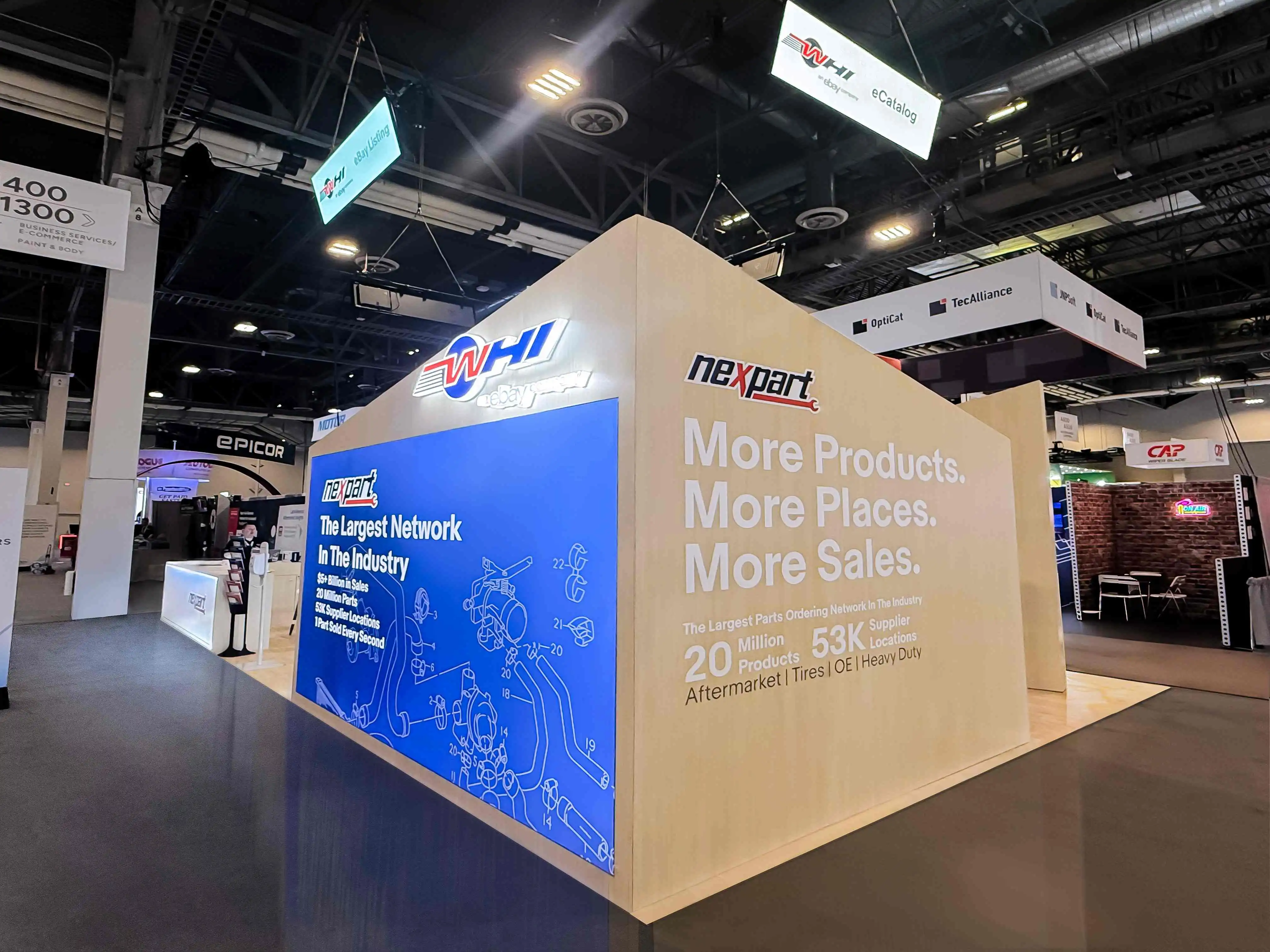
Latest Trends and Innovations in Trade Show Booth Fabrication for 2026
The show business is always changing, adding new ideas that keep visitors interested and ease the worries of exhibitors about transportation, sustainability, and return on investment.
Digital and Augmented Reality Integration
Modern trade shows use immersive technologies to create memorable brand interactions that go beyond simple product displays. Augmented reality apps at the SEMA Show let people see how car parts will look on vehicles, build custom solutions, or look at items in more detail in three dimensions. Virtual reality experiences put people in branded environments or show how products work in the real world. These digital features make social media talk as guests share their unique experiences, which helps your exhibition reach people outside of the show floor.
Lightweight Portable Designs
New materials and engineering techniques make it possible to build structures that are surprisingly light while still having a strong visual impact. Honeycomb core panels are strong but only weigh a small part of what other materials do. Tension fabric systems stretch graphics over aluminium frames, so you don't have to build heavy walls and can make branded environments that look like one big room. The cost of drayage, which is often the second biggest expense at a show after booth rental, goes down by a huge amount with these lightweight options. They also make installation easier and require less labour.
Sustainable Material Innovation
Material innovation in the trade show booth fabrication industry is driven by concern for the environment. Instead of using traditional materials, you can use recycled aluminium extrusions, graphics printed on fabrics made from recycled plastics, and bamboo parts. When compared to regular lighting, LED lighting technology uses up to 75% less energy and makes almost no heat. Water-based inks and low-VOC finishes make graphic creation less harmful to the earth. These eco-friendly options will appeal to visitors who care about the environment and will also help your exhibition's carbon footprint.
Modular Flexibility Systems
Modern modular systems give exhibitors more setup options than ever before, so they can change the size and shape of their booths for different shows and floor areas. These systems can be set up in 10x20 layouts for area shows, 20x30 island booths at the SEMA Show, and any other aspect ratio that is needed. You can change the messages on interchangeable graphic panels without changing the structure. This makes your trade show booth fabrication investment last longer and keeps your messages fresh and relevant for different audiences or product launches.
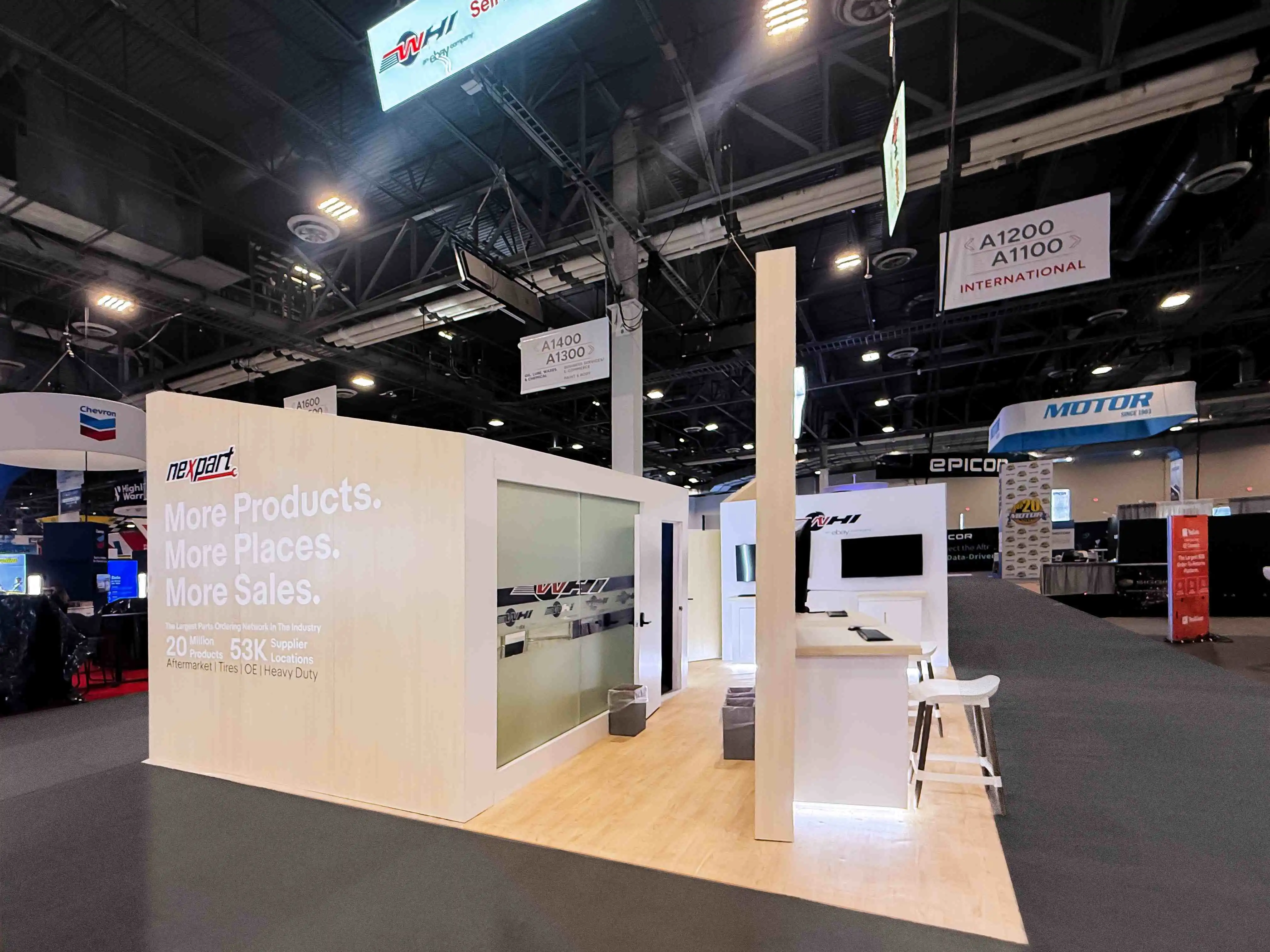
Procurement Guidance: Ordering and Managing Your Trade Show Booth Fabrication
Strategic procurement planning makes sure that your exhibition program stays on budget, delivers on time, and maintains quality, whether you're planning a single appearance at the SEMA Show or a full trade show strategy.
Local Versus National Fabrication Partners
Fabricators in Las Vegas offer strong benefits to exhibitors at Nevada shows like the SEMA Show (November 3–6, 2026), AAPEX (November 3–5–2026), and RE+ (November 16–19, 2026). Local partners cut down on shipping costs across the country, make it easy to meet for design talks in person, store items in a building between Las Vegas shows, and provide quick on-site help during setup and takedown. Because they know what the Las Vegas Convention Center needs, have built relationships with venue contractors, and know the rules for local unions, the whole exhibition process goes more smoothly.
Understanding Lead Times and Planning
For professional trade show booth fabrication, you need enough time to make sure you have enough time for design development, buying materials, manufacturing, graphic production, and the important pre-build sample assembly. Usually, it takes six to eight weeks, but for more complicated patterns, it could take ten to twelve weeks. It is possible to do rush manufacturing, but the trial assembly step is often skipped, which raises the risk of problems happening on-site. Three to four months before a show, procurement managers should start talking about manufacturing. This gives time for design changes, approvals, and the right production schedule without having to pay expensive rush fees.
Installation and Logistics Services
Comprehensive construction partners offer full turnkey solutions that include shipping handling, installation control, and taking down the exhibits after the show. During designated move-in times, installation usually takes place. Exhibitors must carefully arrange with show management about their unique installation timeframe. Professional construction teams that know your booth's design will make sure it's put together correctly, fix any problems that come up, and finish the job quickly and efficiently. Storage services between shows make planning easier for exhibitors who go to more than one Las Vegas show each year.
Maintenance and Refurbishment Services
Maintenance is needed to keep the look and usefulness of a well-made booth from one show to the next. Trade show booth fabrication partners should offer refurbishment services like replacing graphics, fixing structural issues, upgrading parts, and changing the way things are set up. Modern exhibits use dye-sublimated SEG fabrics that can be washed in a machine and steamed to get rid of wrinkles. This keeps the exhibits looking new from show to show. If you take care of your trade show booth fabrication investment properly, it will last longer and continue to represent your professional brand professionally for years of show involvement.
Cost Models and Budget Optimization
The cost of making a booth depends a lot on its size, complexity, materials, and level of customisation. Prices for modular systems are usually between $150 and $300 per square foot, while prices for custom trade show booth fabrication can be anywhere from $250 to $500 or more per square foot, based on the complexity of the design and the type of materials used. Smart procurement managers look for big savings for multiple shows, look into rental-purchase agreements, and put more money into structural parts that can be used again and again while treating graphics as consumables that need to be updated often. By knowing these cost drivers, you can make realistic budgets and decisions that balance quality with your budget.
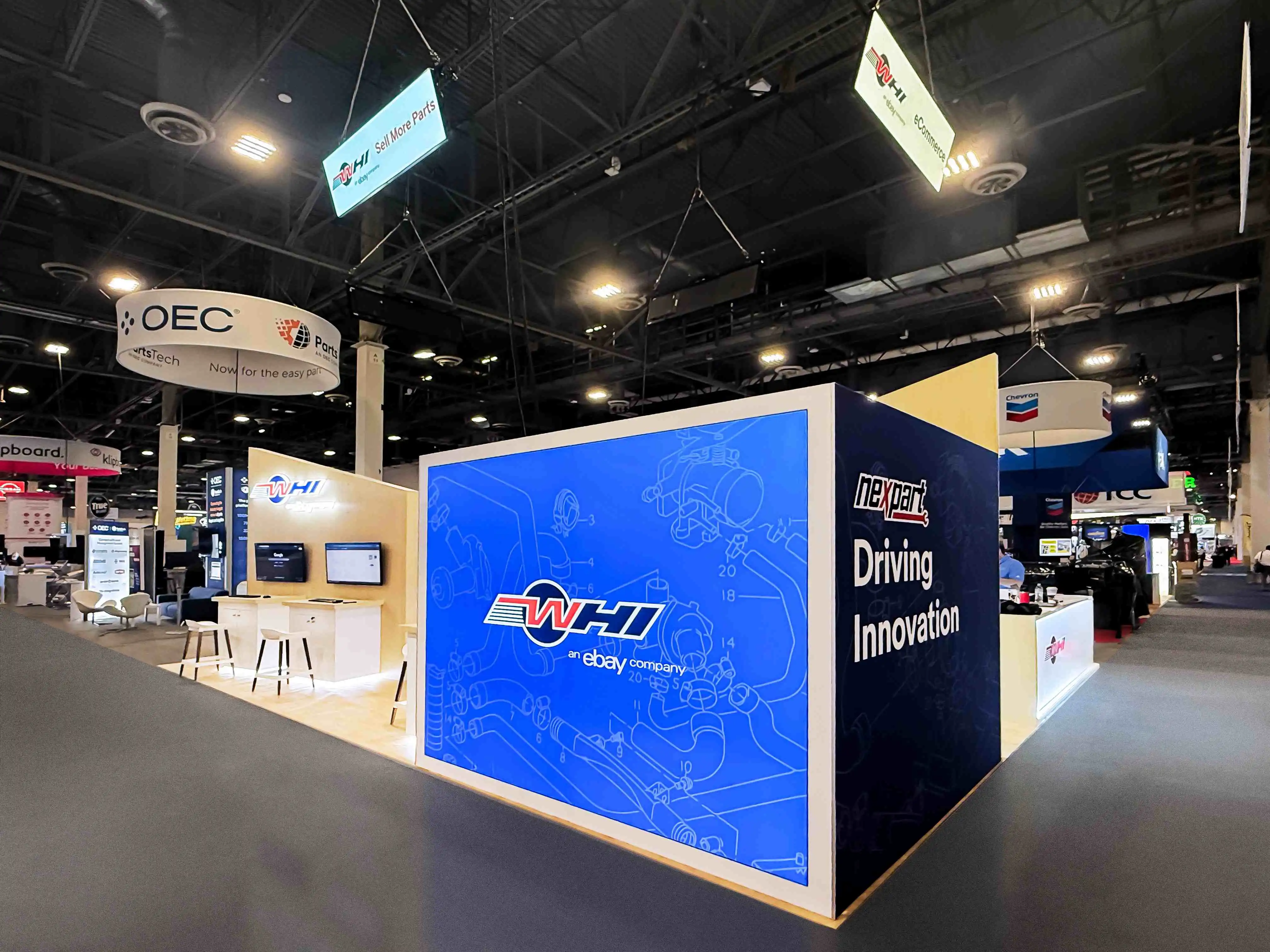
Conclusion
Achieving success at the SEMA Show requires more than just high-quality products. You also need to make smart choices about how to build your booth so that it promotes your brand, attracts qualified visitors, and gives you a measurable return on your investment. Your company is set up for success at exhibitions if you understand the basics of trade show booth fabrication, choose the right booth type, use powerful design strategies, and work with experienced local fabricators. With big events like the SEMA Show, AAPEX, and RE+ happening in Las Vegas in November 2026, now is the perfect time to finalise your plan for building your booth. Smart exhibitors know that investments in professional trade show booth fabrication pay off over time across multiple shows and create memorable brand experiences that last long after the exhibition hall closes.
FAQ
Q1: What distinguishes custom from modular booth fabrication?
Custom manufacturing uses wood and laminates to make one-of-a-kind structures. This gives designers endless options for designs but makes the structures heavier and less flexible for use in different show plans. Modular trade show booth fabrication uses aluminium frames and fabric graphics, which lowers shipping costs by reducing weight, makes it easier to change the layout of a booth to fit different sizes, and saves money for exhibitors who go to more than one show a year. Exhibitors who want to save money usually choose modular systems, while brands that want to stand out and have unique architectural elements pay more for custom trade show booth fabrication.
Q2: How does booth fabrication impact drayage expenses?
A: The types of materials you use have a big impact on drayage costs, which are the fees you pay to move materials from loading docks to booth spaces. Traditional buildings made of solid wood and glass have high drayage fees that are based on weight. Modern manufacturing using honeycomb supports, tension fabrics, and aluminium extrusions can cut the weight of a booth by up to 60% without affecting its appearance. This directly lowers the cost of moving materials. At big shows like SEMA, strategic decisions about trade show booth fabrication that take weight into account can save thousands of dollars in drayage fees.
Q3: What timeline should I plan for booth fabrication?
A: Usually, it takes six to eight weeks for trade show booth fabrication to start from the time the design is approved until it is finished and shipped. This time frame includes design engineering, buying materials, CNC machining, logo production, and the important pre-build trial assembly that finds problems before the place arrives. It could take ten to twelve weeks for more complicated unique patterns. Three to four months before a show, procurement managers should start talking about trade show booth fabrication. This gives enough time for design changes, approvals, and production scheduling without having to pay expensive rush fees that can add 20 to 30 percent to the cost of the project.
Partner with HR Exhibits Service, Inc. for Your SEMA Show Success
HR Exhibits Service, Inc. has been making exhibition booths for decades and works with makers, dealers, and aftermarket sellers to get ready for the SEMA Show and other big Las Vegas shows. Our workshop and experienced team in Las Vegas provide local support, which takes away the logistical problems that foreign and out-of-state exhibitors face when they come to Nevada to show. We help our clients with every step, from coming up with the initial idea and designing it to making it, setting it up, and providing services after the show. We offer complete solutions that turn your marketing vision into captivating exhibition spaces.
We offer a complete service that covers all of an exhibitor's needs, including custom and modular booth design, CNC precision fabrication, large-format graphic production, electrical integration, storage between shows, installation supervision, and ongoing maintenance. We can make solutions that fit your goals and budget, whether you're a corporate marketing manager in charge of a big island booth, a startup founder trying to make the most of a small space, or a sales director needing functional demonstration zones. As a reliable trade show booth fabrication supplier, we offer quality, dependability, and new ideas.
Get in touch with HR Exhibits Service, Inc. at info@hrexhibits.com to talk about your booth construction needs for the SEMA Show 2026 and find out how our local knowledge makes show success easier, cheaper, and a lot less stressful.
References
1. Trade Show Exhibitors Association (2024). "Annual Industry Report: Booth Design and Fabrication Trends in North American Exhibitions."
2. International Association of Exhibitions and Events (2024). "Best Practices Guide: Trade Show Booth Construction and Safety Standards."
3. Specialty Equipment Market Association (2023). "SEMA Show Exhibitor Manual: Technical Specifications and Installation Guidelines."
4. Exhibition Services & Contractors Association (2024). "Sustainable Exhibition Design: Materials, Methods, and Environmental Impact Analysis."
5. Journal of Convention & Event Tourism (2024). "ROI Analysis: Custom Versus Modular Trade Show Booth Investment Strategies."
6. Las Vegas Convention Center Authority (2024). "Exhibitor Services Guide: Regulations, Union Requirements, and Installation Protocols for Major Trade Shows."

Embark on Your Journey to Exceptional Exhibitions! Contact HR Exhibits Today to Transform Your Vision into Global Success.

HR Exhibits Service, Inc.

